If you manage a warehouse, factory, distribution centre or large commercial building in Hampshire or West Sussex, you already know that ordinary cleaning only gets you so far. Dust builds up on steelwork and roof beams, floors take a daily battering, and the outside of the building quietly collects grime. That is where industrial cleaning comes in, and it is far more than a quick tidy-up of the building. This guide explains what the work actually covers, why high-level work and access equipment matter, and how to choose a contractor you can trust.
It is written in plain English, so you can make a confident decision without needing to be a cleaning expert.
What Is Industrial Cleaning?
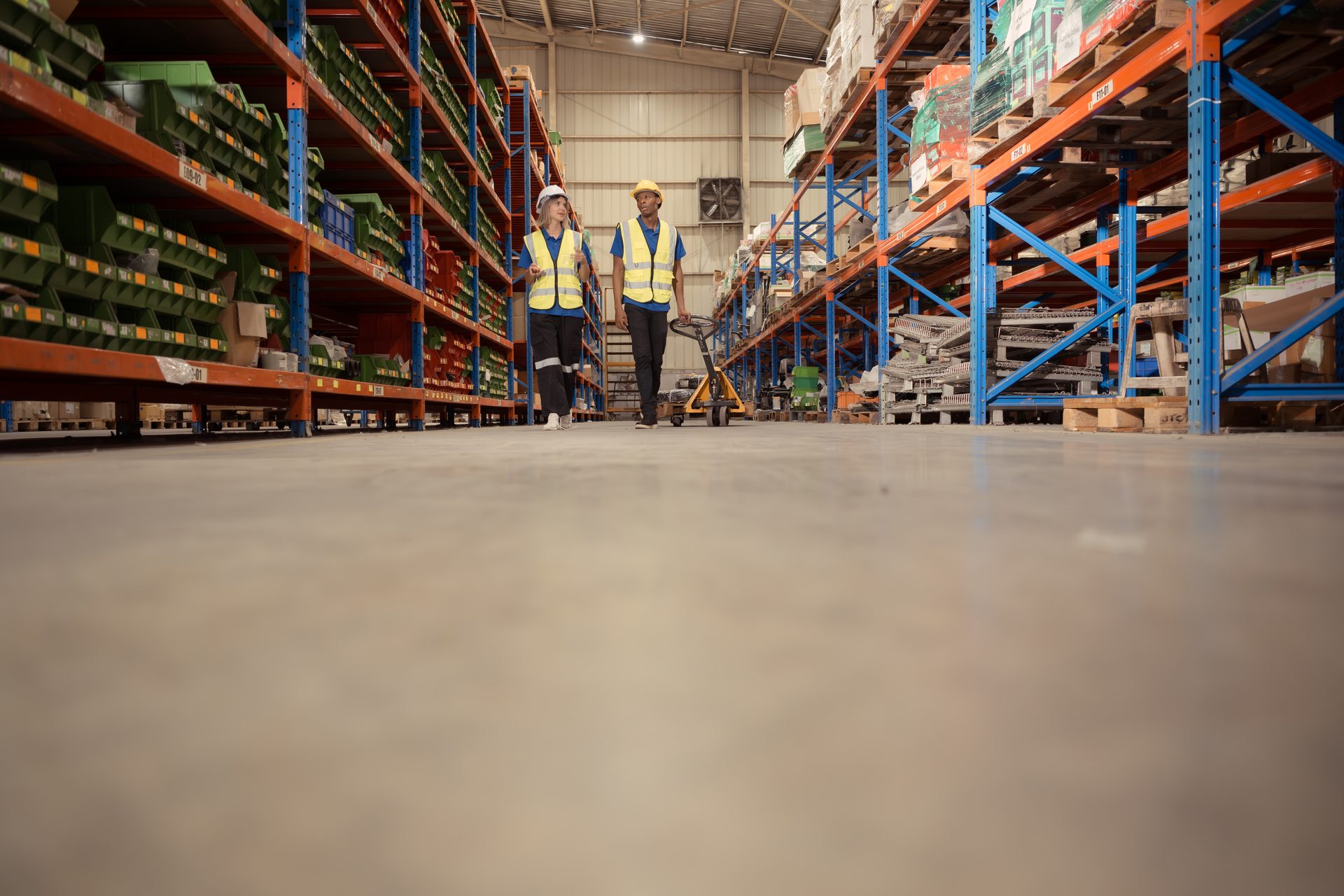
Put simply, it is the specialist cleaning of large, heavy-use and often hard-to-reach commercial spaces. Think warehouses, factories, workshops, food production units, logistics hubs and large retail or leisure buildings. It goes well beyond emptying bins and mopping floors.
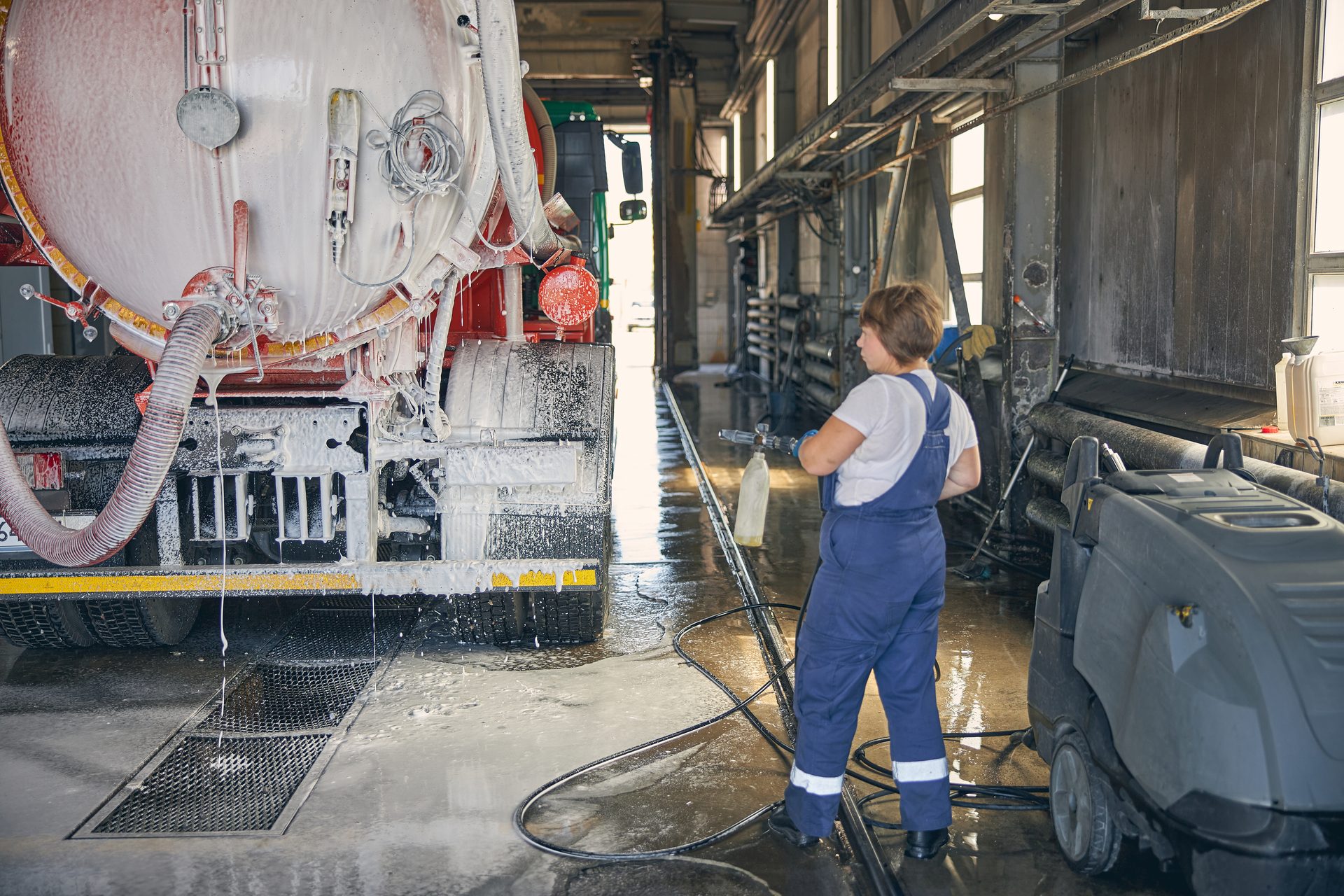
Typical industrial cleaning work includes deep cleaning of production and storage areas, machine and equipment cleaning, industrial floor cleaning, removal of dust and debris from high surfaces, and exterior cleaning such as pressure washing yards, walls and cladding. It uses commercial-grade equipment and trained teams, because the spaces are bigger, the soiling is heavier and the safety requirements are stricter.
Why Industrial Cleaning Matters for Your Business
A clean industrial site is not just about appearances. It is closely tied to how safely and efficiently your business runs.
Dust and debris on high surfaces can fall onto products, machinery and people. Oil and grime on floors increase the risk of slips. Built-up dust can also become a fire risk in some environments, and poor hygiene can cause problems during customer audits or inspections. Regular industrial cleaning helps you protect your team, your stock and your reputation.
There is a practical upside too. Clean buildings are easier to maintain, equipment tends to last longer, and visitors, clients and inspectors form a better first impression of your site.
High Level Cleaning Services: Reaching What Normal Cleaning Misses
One of the most overlooked parts of industrial cleaning is the area above head height. Roof trusses, steel beams, light fittings, pipework, ducting and racking all collect dust over time, and it is rarely seen until it becomes a problem.
That is the purpose of high level cleaning services. High-level cleaning removes dust and debris from ceilings, overhead steelwork, lighting and services, usually with specialist vacuum systems that capture the dust rather than just moving it around. Done properly, it keeps contamination out of your working area and helps lights work as they should.
Signs your building could benefit from high-level cleaning include visible dust on beams and fittings, dust falling onto stock or machinery, dim or dirty light fittings, and a building that never seems quite clean however often the floor is done.
What Is MEWP Access, and Why Does It Matter?
MEWP stands for mobile elevating work platform. You may know them as scissor lifts or cherry pickers. They let a trained operator work safely at height without ladders or makeshift platforms, which matters a great deal in tall industrial buildings and on exterior walls and roofs.
When high-level or exterior cleaning needs a MEWP, you want a contractor who has the right equipment and trained operators and who plans the job carefully. Working at height is one of the most heavily regulated areas of health and safety, so it is worth asking any contractor how they manage it. Our guide to high-level cleaning in Southampton covers this in more detail.
Pressure Washing for Industrial and Commercial Sites
Industrial cleaning does not stop at the front door. Yards, loading bays, car parks, walkways, cladding and roofs all take a beating from weather, traffic and pollution. Pressure washing removes built-up dirt, algae, moss, oil staining and general grime, and it makes surfaces safer as well as smoother to look at.
The right pressure and method depend on the surface. Concrete can take a lot more than painted cladding or older brickwork, so a good contractor will match the technique to the job rather than simply blasting everything with the same setting.
Which Types of Site Need Industrial Cleaning?
Almost any large working building can benefit, but some sites feel the need more than others. Warehouses and distribution centres collect fine dust on racking and roof structures. Manufacturing units and workshops deal with oil, swarf and process residue. Food and drink premises have strict hygiene standards to meet. Car dealerships, showrooms, leisure sites and large retail units want to look their best for customers, while still needing deep cleaning that goes beyond the daily routine.
Whatever your sector, the principle is the same: the bigger and busier the building, the more a planned, professional approach pays off.
Industrial Floor Cleaning
Floors are the hardest-working surface in most industrial buildings. Forklifts, pallet trucks, spills and foot traffic all take their toll. Professional industrial floor cleaning uses machine scrubbers and the right products for the surface, removing ingrained dirt and oil that a standard mop will never shift.
Clean floors are safer floors, and regular maintenance also helps protect the surface from wear. If floors are your main concern, take a look at our guide to industrial floor cleaning in Southampton.
How Often Should Industrial Cleaning Be Done?
There is no single answer, because it depends on the type of site and what happens inside it. As a rough guide, floors and high-traffic areas need regular, often daily or weekly, attention. High-level cleaning is usually planned annually or every few years, depending on how dusty the process is. Exterior pressure washing is often done once or twice a year, or more often on sites that want to keep a consistently smart appearance.
The best approach is a planned schedule that matches your site. A good contractor will walk the building with you, look at how it is used and suggest a sensible programme rather than a one-size-fits-all package.
How to Choose an Industrial Cleaning Company
Choosing a contractor is a big decision, so it pays to ask the right questions before you sign anything.
First, ask about experience with sites like yours. A company that regularly works in warehouses and factories will understand the pace, the hazards and the need to work around your operations. Second, ask how they manage health and safety, especially for work at height. Ask to see risk assessments and method statements, and check that they carry public liability insurance.
Third, look at the equipment they use. Modern vacuum systems, scrubber dryers and access platforms are signs of a contractor who invests in doing the job properly. Finally, ask for references or examples of similar work, and look for a company that is happy to quote after a site visit rather than guessing over the phone.
Safety First: What a Professional Contractor Should Do
Industrial sites are working environments with real hazards, so safety should be part of every conversation about cleaning. A professional contractor should carry out a site-specific risk assessment before starting, agree safe working areas with you, and use signage and barriers where needed. Operators who work at height should be trained and equipped for it, and chemicals should be chosen and handled with care, particularly around food, machinery and drains.
Do not be afraid to ask questions. A reputable company will welcome them, and the answers will tell you a great deal about how they work.
The Benefits of a Planned Industrial Cleaning Programme
One-off cleans have their place, especially before an audit, a sale or a relocation. But a planned programme usually gives better value. It spreads the cost, keeps standards consistent and stops small problems turning into big ones. It also means your contractor gets to know your site, which makes each visit quicker and more effective.
A planned programme can combine regular floor care, periodic high-level cleaning and seasonal exterior pressure washing in one simple arrangement, so you are never left wondering what needs doing next.
A Simple Checklist Before You Ask for a Quote
You will get a quicker, more accurate quote if you have a few details to hand. Think about the approximate size of the building and the height of the roof, the type of floor surface, how dusty or oily the environment is, and whether any areas are restricted or need special permits. It also helps to know when work can take place and whether you have a recent clean to compare against.
If you are not sure about any of this, do not worry. A good contractor will visit, take measurements and talk it through with you.
Industrial Cleaning Across Hampshire and West Sussex
Local knowledge counts. A contractor based near you can respond quickly, understand the types of buildings in the area and keep travel to a minimum. Southern Window has been cleaning commercial and industrial properties along the south coast for decades, with work across Portsmouth, Southampton, Winchester, Chichester, Petersfield, Basingstoke and Salisbury, and the surrounding towns in Hampshire and West Sussex.
If you are comparing options, you might also like our guide to industrial and commercial cleaning services in the south.
Frequently Asked Questions About Industrial Cleaning
Here are quick answers to the questions we hear most often from site managers and business owners.
What is the difference between industrial and commercial cleaning?
Commercial cleaning usually covers offices, shops and similar buildings. Industrial cleaning deals with larger, heavier-duty sites such as warehouses and factories, and often needs specialist equipment and access methods.
Can industrial cleaning be done while we are still operating?
In many cases, yes. Work can often be planned for quieter periods, weekends or out-of-hours shifts so your operation is disrupted as little as possible. Tell your contractor about your working patterns when you ask for a quote.
Is high-level cleaning really necessary?
If dust builds up above head height, it will eventually come down. High-level cleaning removes it in a controlled way, which protects stock, equipment and people, and keeps your lighting working well.
Do you need a MEWP for every high-level job?
Not always. Some jobs can be done from the ground with long-reach tools, while others need a scissor lift or similar platform. A site visit is the best way to find out what your building needs.
Talk to Southern Window About Industrial Cleaning
If you would like a straightforward conversation about cleaning your industrial or commercial site, we would love to help. Whether you need regular floor care, a one-off high-level clean or exterior pressure washing, we can look at your building and suggest a sensible plan.
Get in touch through our contact page or take a look at the rest of our services on the Southern Window home page. We are always happy to talk it through.
Share This Story, Choose Your Platform!
About Southern Window & General Cleaning Co. LTD

Quick Navigation